

Parrots of South America: A Complete Guide to Native Species & Their Habitat

Introduction to South American Parrots
South America is home to the greatest diversity of parrot species in the world, including some of the most vibrant and intelligent parrots, such as Macaws, Conures, and Amazons. These parrots inhabit dense rainforests, dry savannas, mountainous regions, and even urban areas, playing a crucial role in their ecosystems as seed dispersers. However, many face severe conservation threats due to habitat destruction, deforestation, and the illegal pet trade.
South American Parrot Species Overview
South America is home to over 100 parrot species, with some being among the most recognizable in the world. Below are the most iconic parrots from this region.
1. Hyacinth Macaw (Anodorhynchus hyacinthinus)
- Habitat: Pantanal wetlands, tropical savannas, and open woodlands in Brazil, Paraguay, and Bolivia.
- Size: 39-42 inches (100-107 cm).
- Key Traits: The largest flying parrot, deep cobalt-blue plumage, powerful beak for cracking nuts.
- Conservation Status: Vulnerable, with habitat loss and illegal pet trade as major threats.
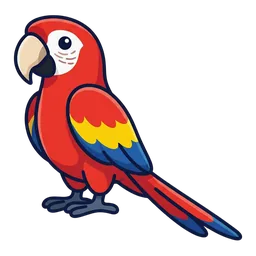
2. Scarlet Macaw (Ara macao)
- Habitat: Lowland rainforests from the Amazon Basin to Central America.
- Size: 32-36 inches (81-91 cm).
- Key Traits: Bright red body with yellow and blue wings, highly intelligent and social.
- Conservation Status: Least Concern, but local populations are declining due to poaching.
3. Blue-and-Yellow Macaw (Ara ararauna)
- Habitat: Rainforests and savannas in Brazil, Venezuela, and Colombia.
- Size: 30-34 inches (76-86 cm).
- Key Traits: Bright blue and yellow feathers, known for strong pair bonds.
- Conservation Status: Least Concern, but at risk from illegal pet trade.
4. Green-Winged Macaw (Ara chloropterus)
- Habitat: Tropical rainforests across the Amazon Basin.
- Size: 35-37 inches (89-94 cm).
- Key Traits: Red body with green and blue wings, second-largest macaw species.
- Conservation Status: Least Concern, but faces threats from habitat destruction.
5. Sun Conure (Aratinga solstitialis)
- Habitat: Dry forests and savannas in northern South America.
- Size: 11-12 inches (28-30 cm).
- Key Traits: Bright yellow and orange plumage, very playful and vocal.
- Conservation Status: Endangered, mainly due to illegal capture for the pet trade.
6. Jenday Conure (Aratinga jandaya)
- Habitat: Forested regions of northeastern Brazil.
- Size: 12 inches (30 cm).
- Key Traits: Similar to Sun Conures, but with more green in their plumage.
- Conservation Status: Least Concern, but habitat loss is a growing issue.
7. Blue-Headed Pionus (Pionus menstruus)
- Habitat: Lowland rainforests and foothills from Venezuela to Bolivia.
- Size: 11 inches (28 cm).
- Key Traits: Dark green body with a stunning deep blue head, quieter than other parrots.
- Conservation Status: Least Concern, though trapping for the pet trade affects numbers.
8. Yellow-Crowned Amazon (Amazona ochrocephala)
- Habitat: Rainforests and dry woodlands in northern South America.
- Size: 14 inches (35 cm).
- Key Traits: Green body with a yellow crown, known for excellent talking abilities.
- Conservation Status: Near Threatened, due to poaching and deforestation.
9. Orange-Winged Amazon (Amazona amazonica)
- Habitat: Rainforests and savannas in Brazil, Colombia, and the Guianas.
- Size: 13 inches (33 cm).
- Key Traits: Green body with orange wing markings, adaptable to urban areas.
- Conservation Status: Least Concern, but affected by illegal trade.
10. Hawk-Headed Parrot (Deroptyus accipitrinus)
- Habitat: Amazon Basin’s dense forests.
- Size: 12-14 inches (30-35 cm).
- Key Traits: Unique feathered crest that fans out, independent and intelligent.
- Conservation Status: Least Concern, but populations are declining.
Conservation Challenges Facing South American Parrots
Many South American parrots are critically endangered due to:
- Deforestation: Logging, agriculture, and urban expansion destroy habitats.
- Illegal Wildlife Trade: Many species are captured for the pet trade, reducing wild populations.
- Climate Change: Alters ecosystems, affecting food sources and nesting habits.
- Human Encroachment: Expanding tourism and infrastructure impact sensitive parrot habitats.
Best Practices for Protecting South American Parrots
Efforts to protect these birds should focus on:
- Strengthening anti-poaching laws to stop illegal trapping and trade.
- Reforestation and habitat protection to restore nesting areas.
- Community-driven conservation projects that involve local populations.
- Captive breeding programs to reduce the demand for wild-caught birds.
Keeping South American Parrots as Pets – What to Consider
Many South American parrots, such as Macaws, Amazons, and Conures, are popular in captivity due to their intelligence and social nature. However, they require:
- Lifespan Commitment: Many species live 30-80 years.
- Mental Stimulation: Require daily interaction, training, and challenging toys.
- Nutritional Needs: Thrive on a varied diet of pellets, fruits, vegetables, and nuts.
- Socialization: Many species form strong bonds and need regular companionship.
Where to Find a Healthy, Ethically-Sourced South American Parrot
If considering a South American parrot as a pet, always choose ethical breeders or parrot rescues. Look for:
- Hand-raised, socialized birds with health records.
- Organizations committed to conservation efforts.
- Rescue centers that rehome former pet parrots.
Conclusion
South America is home to some of the world’s most spectacular and intelligent parrots, but many are at serious risk of extinction. Whether admired in the wild or as companions, these birds require urgent conservation efforts to protect their habitats and stop illegal trade. By supporting responsible ecotourism, ethical pet ownership, and conservation initiatives, we can help ensure the survival of these incredible species for generations to come.